Carolina Classic: The Evolution of the Female Role in the Carolina Shag
Apart from a few well-meaning articles and books chronicling the Shag as a tool for tourism or a fascination of the author, there is currently only one written record published by a member of the shag community…and this year marks the twentieth anniversary of its release. Although it could be argued that part of the Carolina Shag’s charm can be attributed to its reliance on oral history in passing down previous generations’ stories, the need for a tangible history has only become more relevant as the digital age leaves the population who knows our dance’s history behind.
As a lifelong Carolina Shag dancer raised in the Home of the Shag, I have spent my life accumulating titles within the community, and feel a great responsibility to use my education to give back to my community as both a tool to increase awareness for our dance and my home town, as well as a piece of history to educate future generations of dancers and ensure our past does not get lost in pursuit of our future.
Without further adieu, allow me to introduce three legendary figures of the Carolina Shag: Judy Duke, Jackie McGee, and Ellen Taylor.
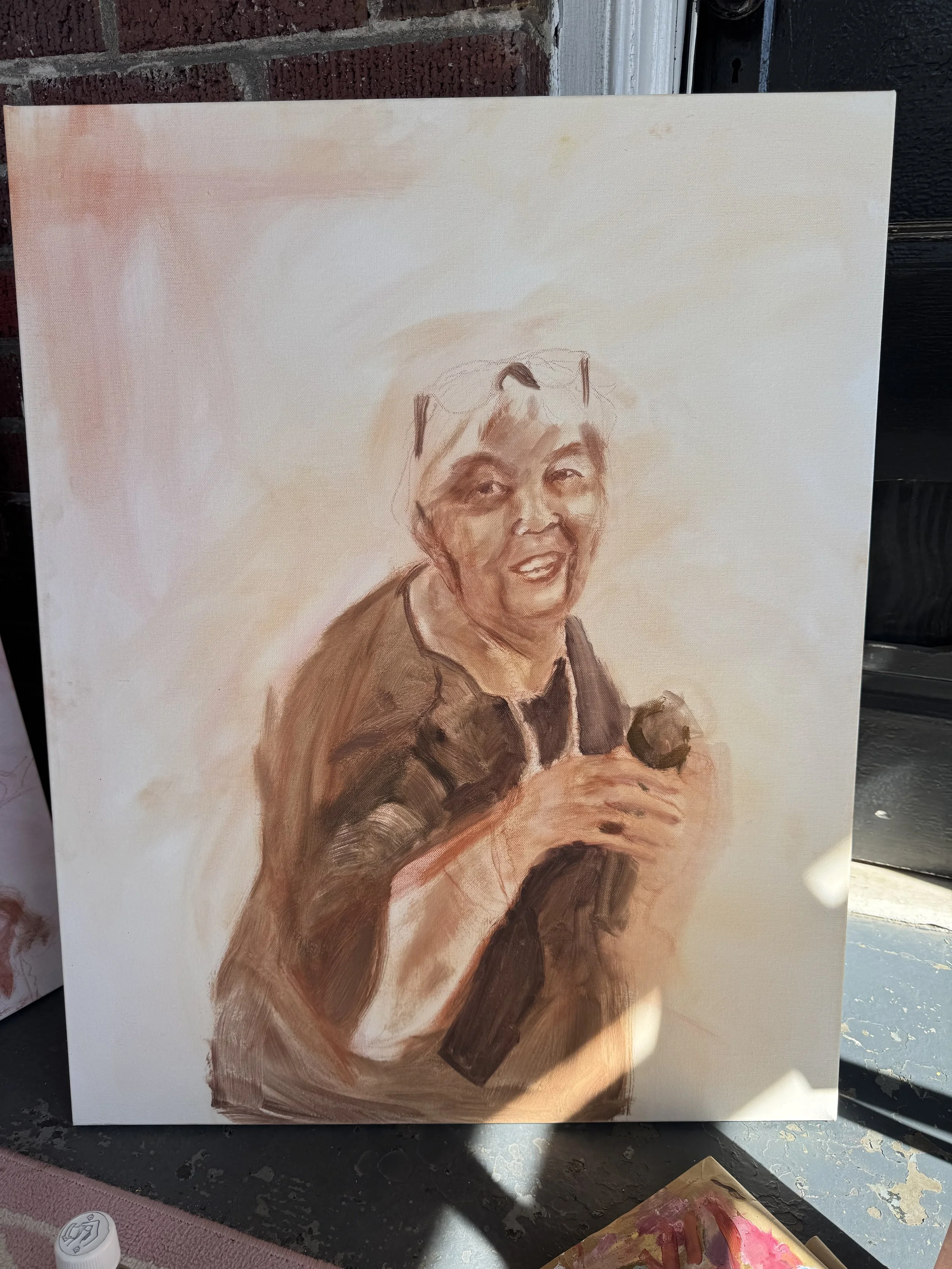
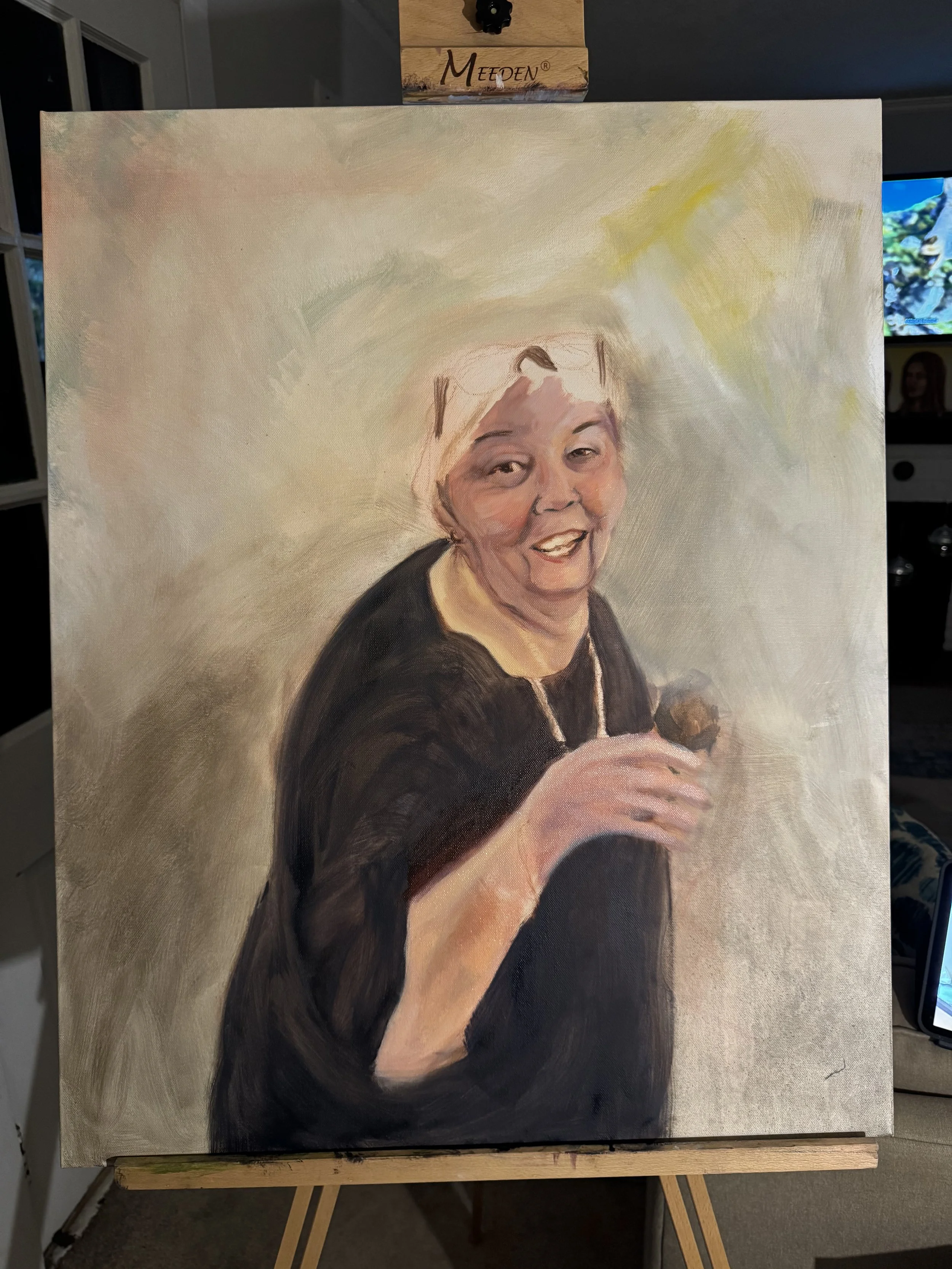
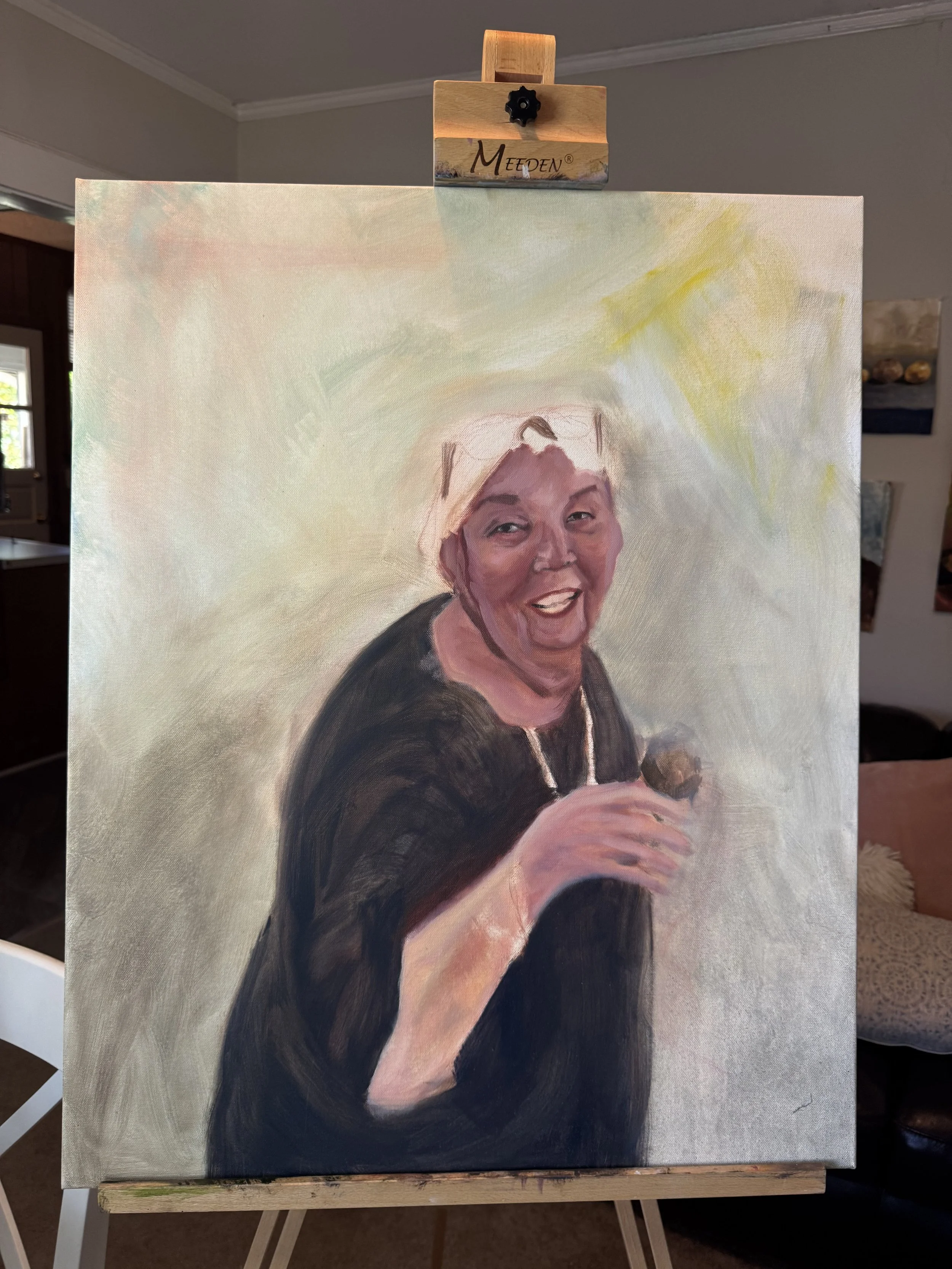
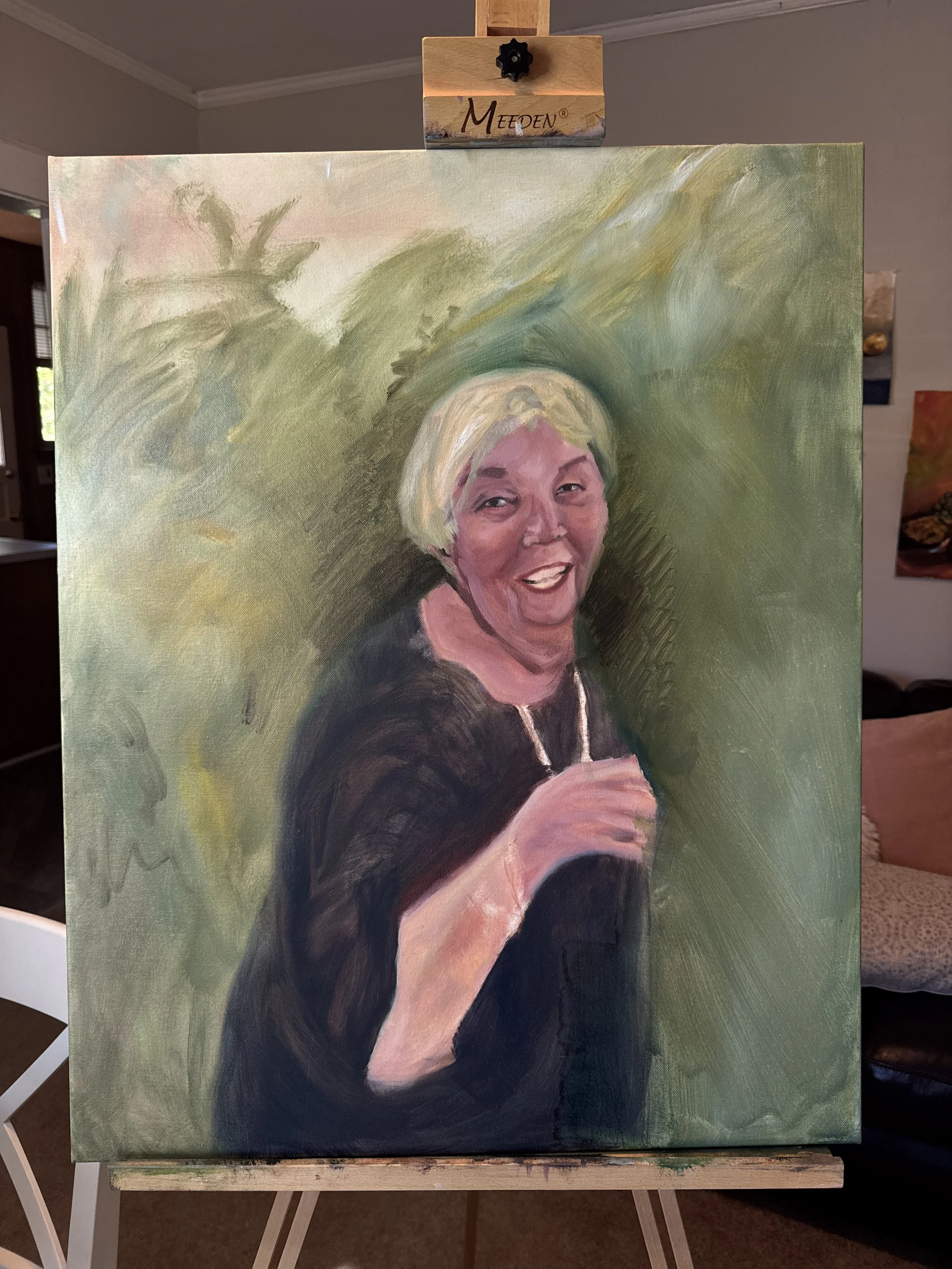
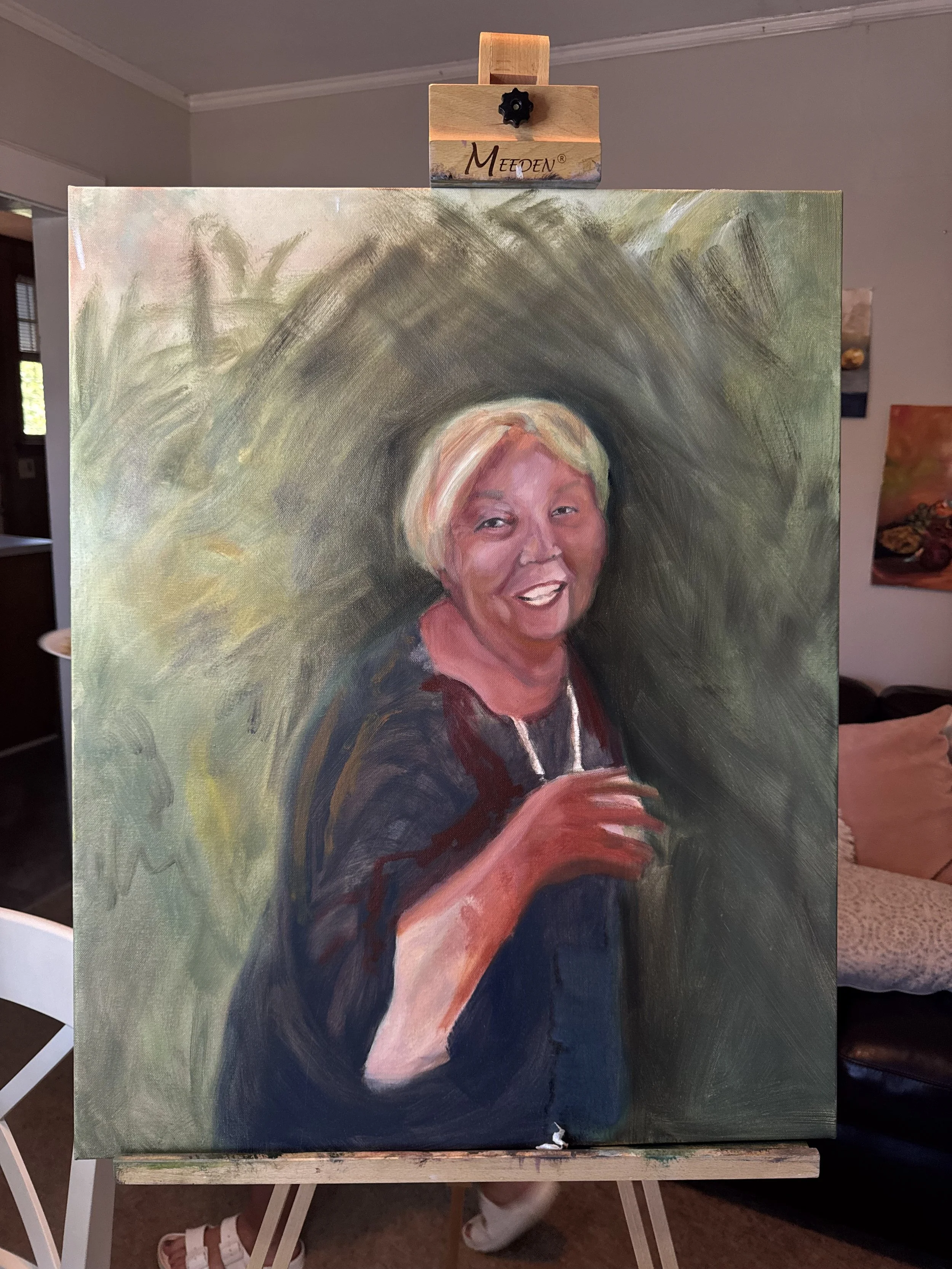
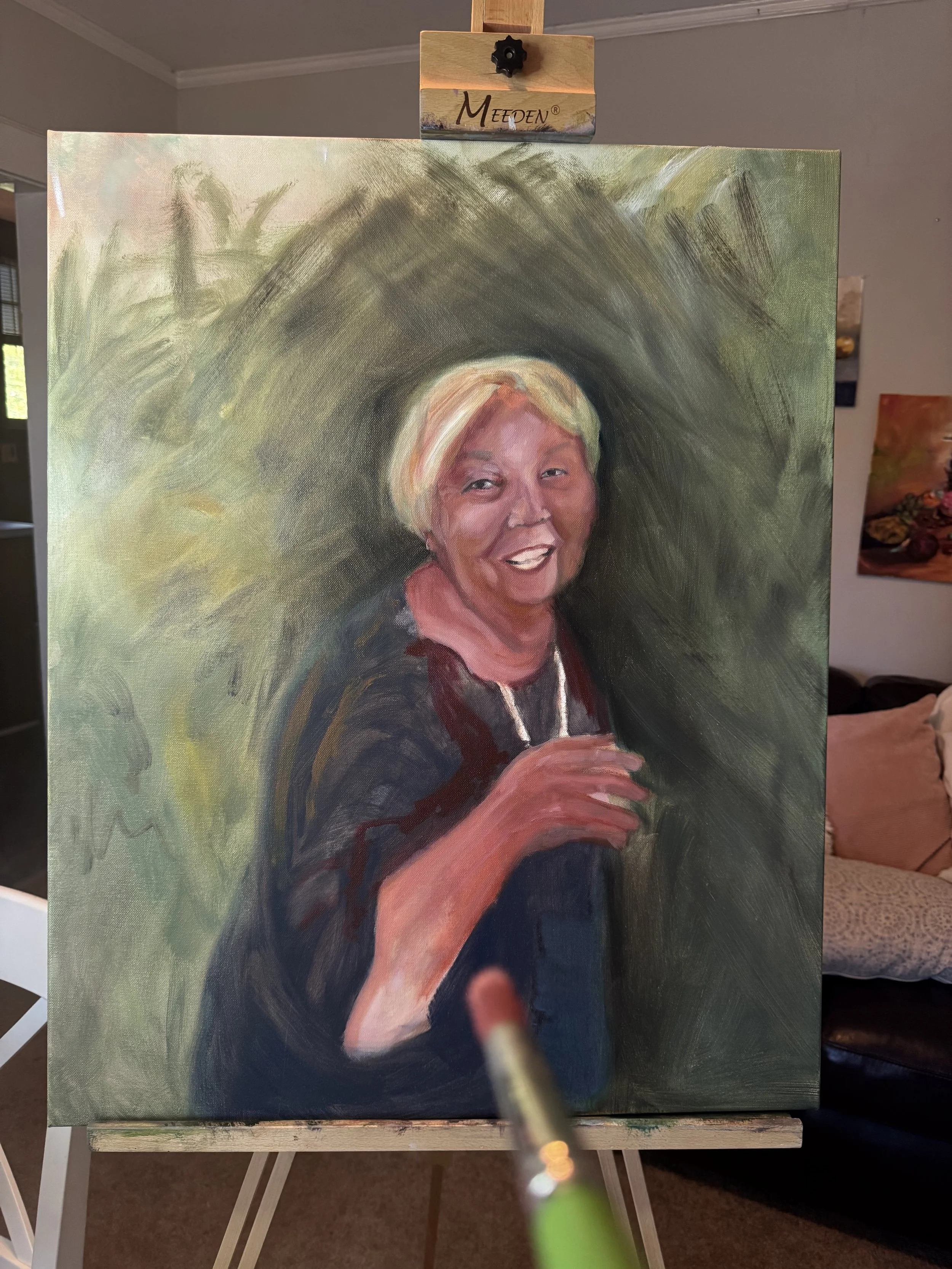
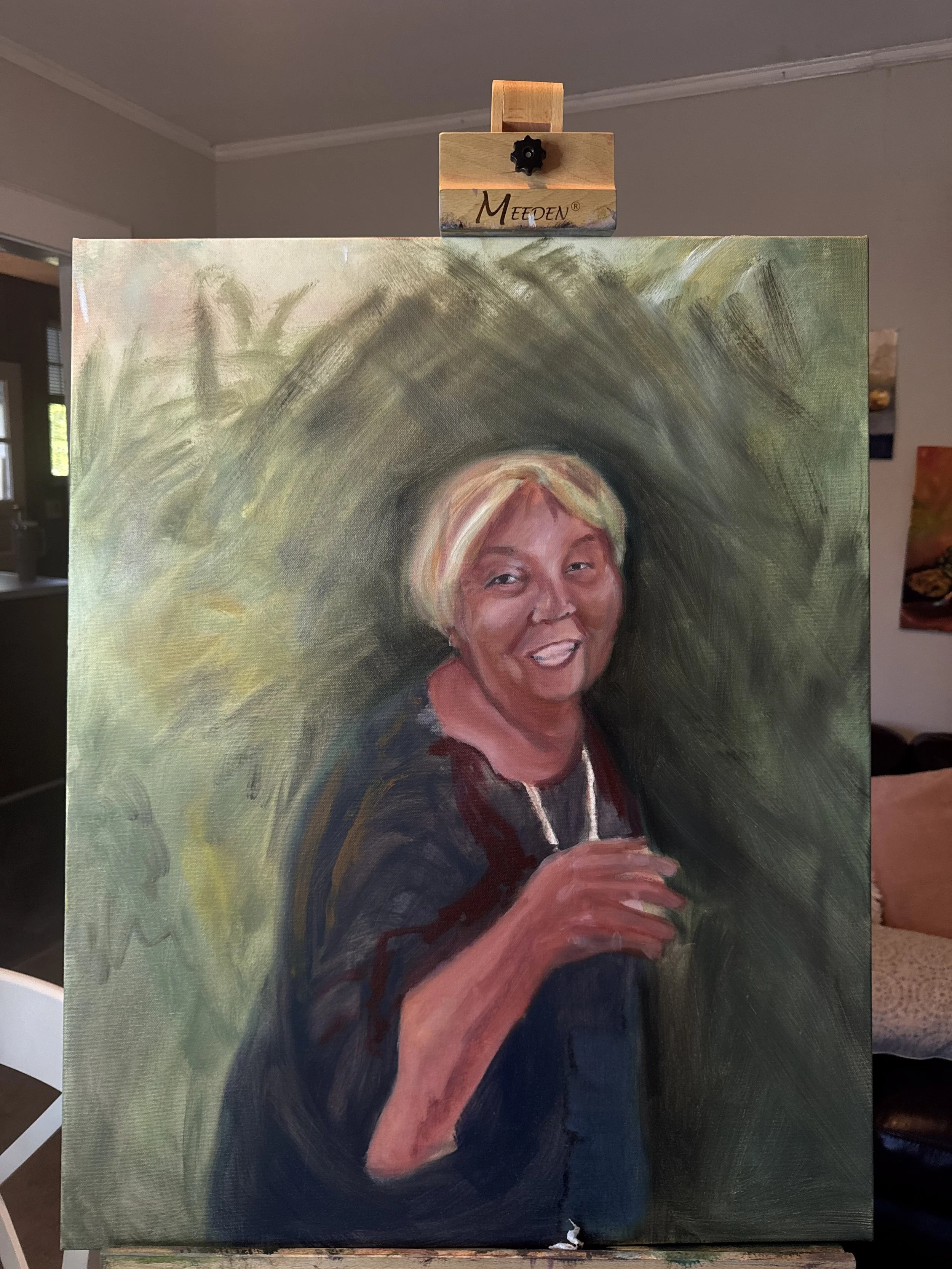
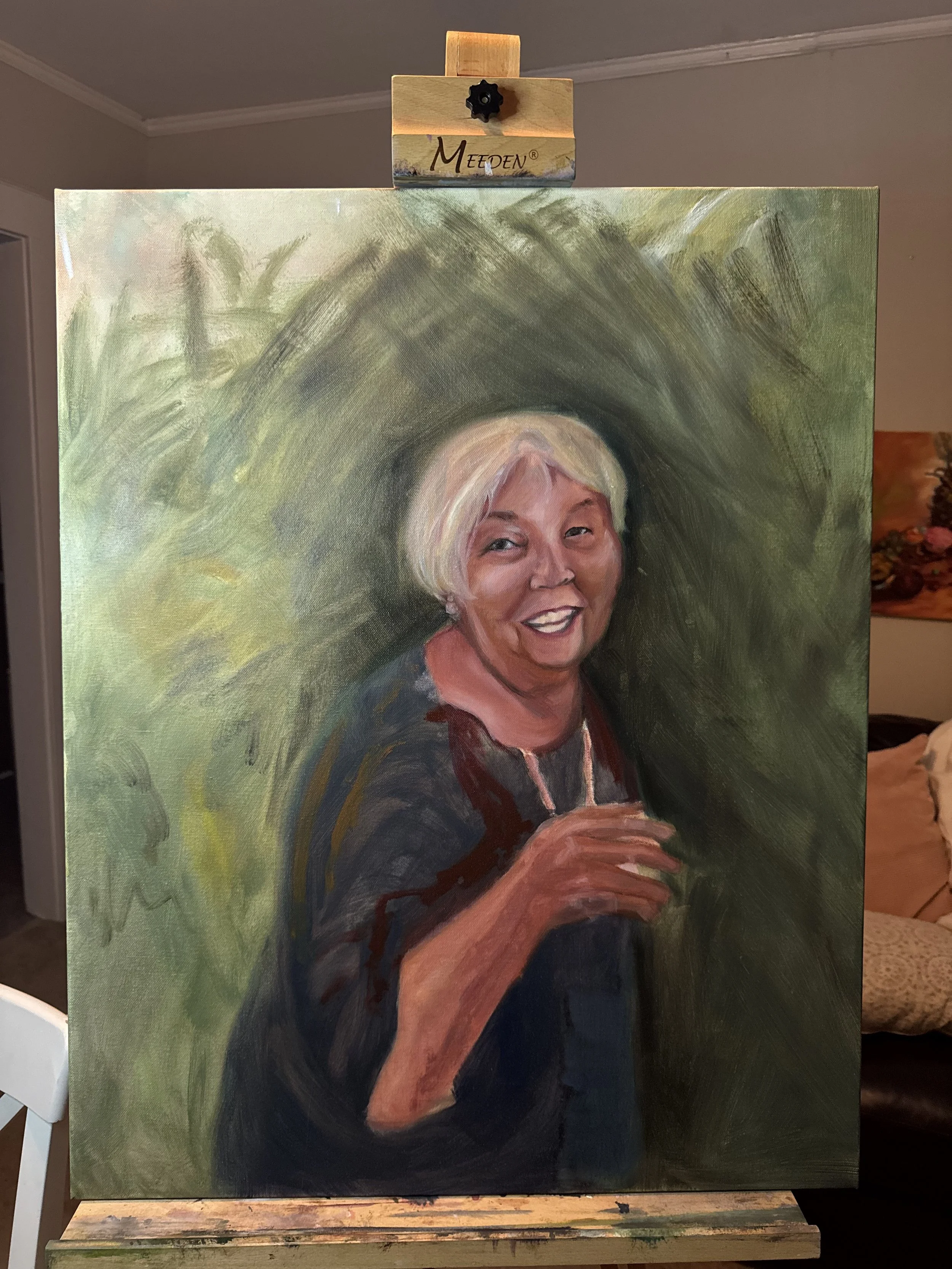
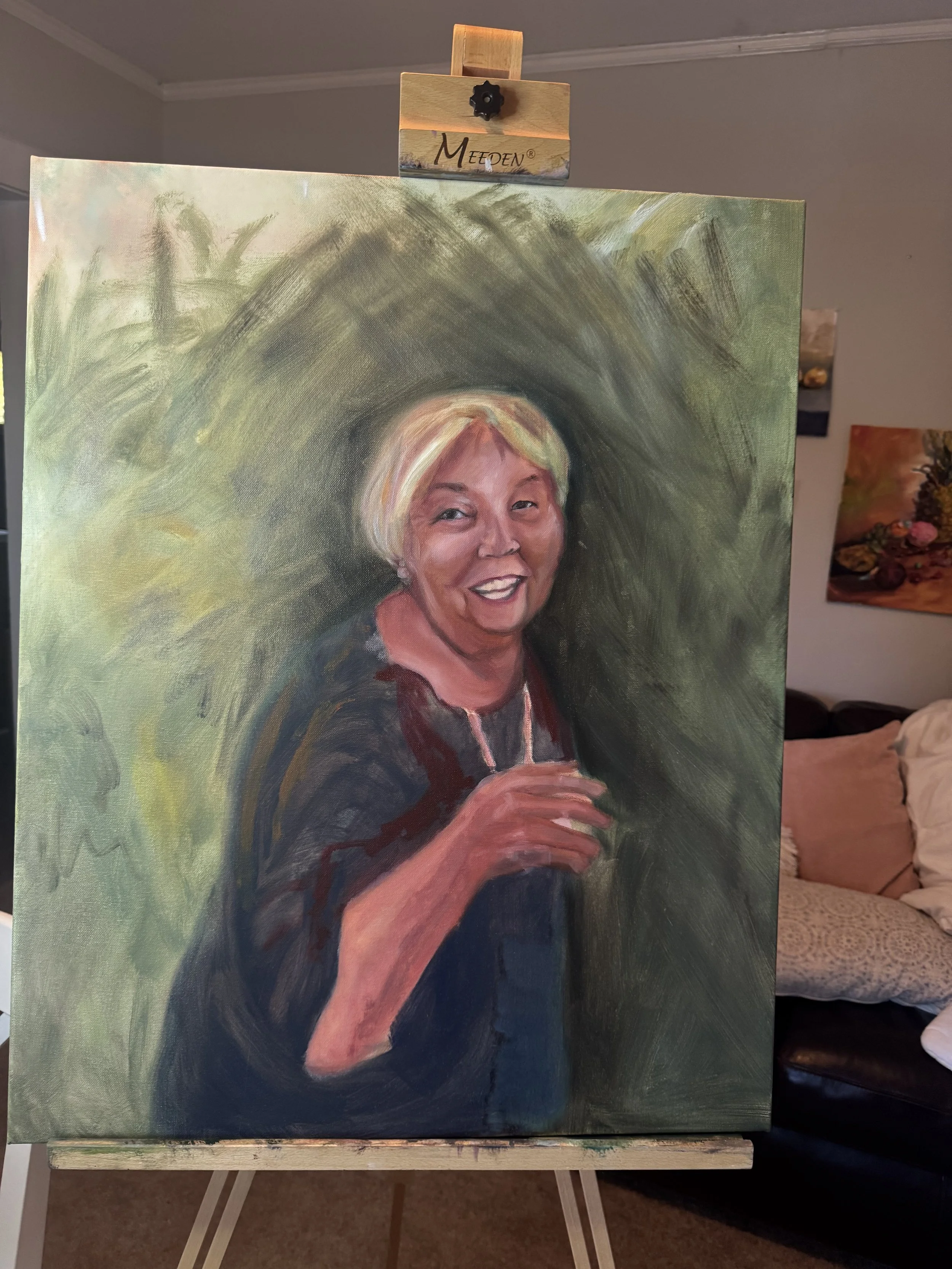
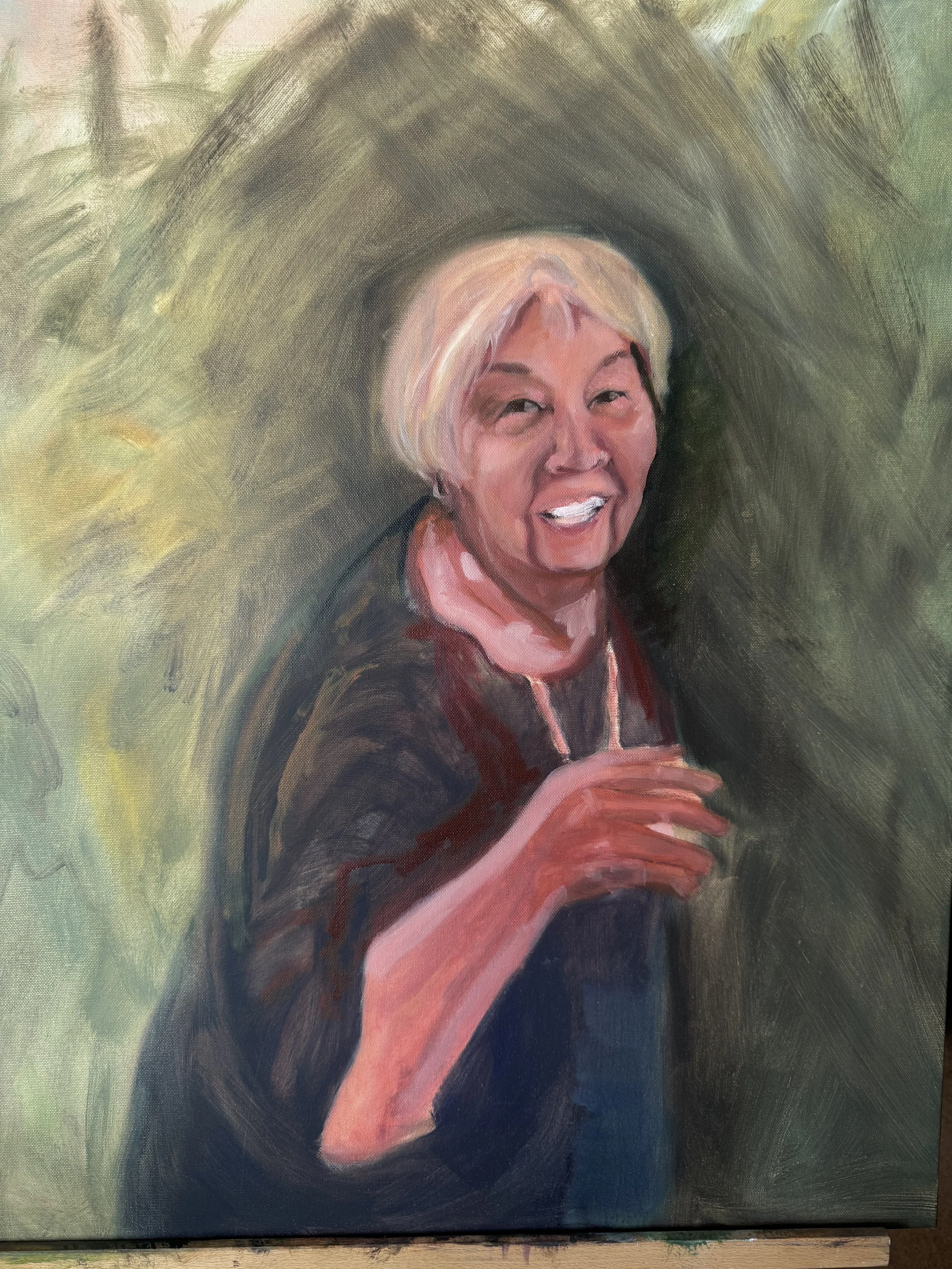
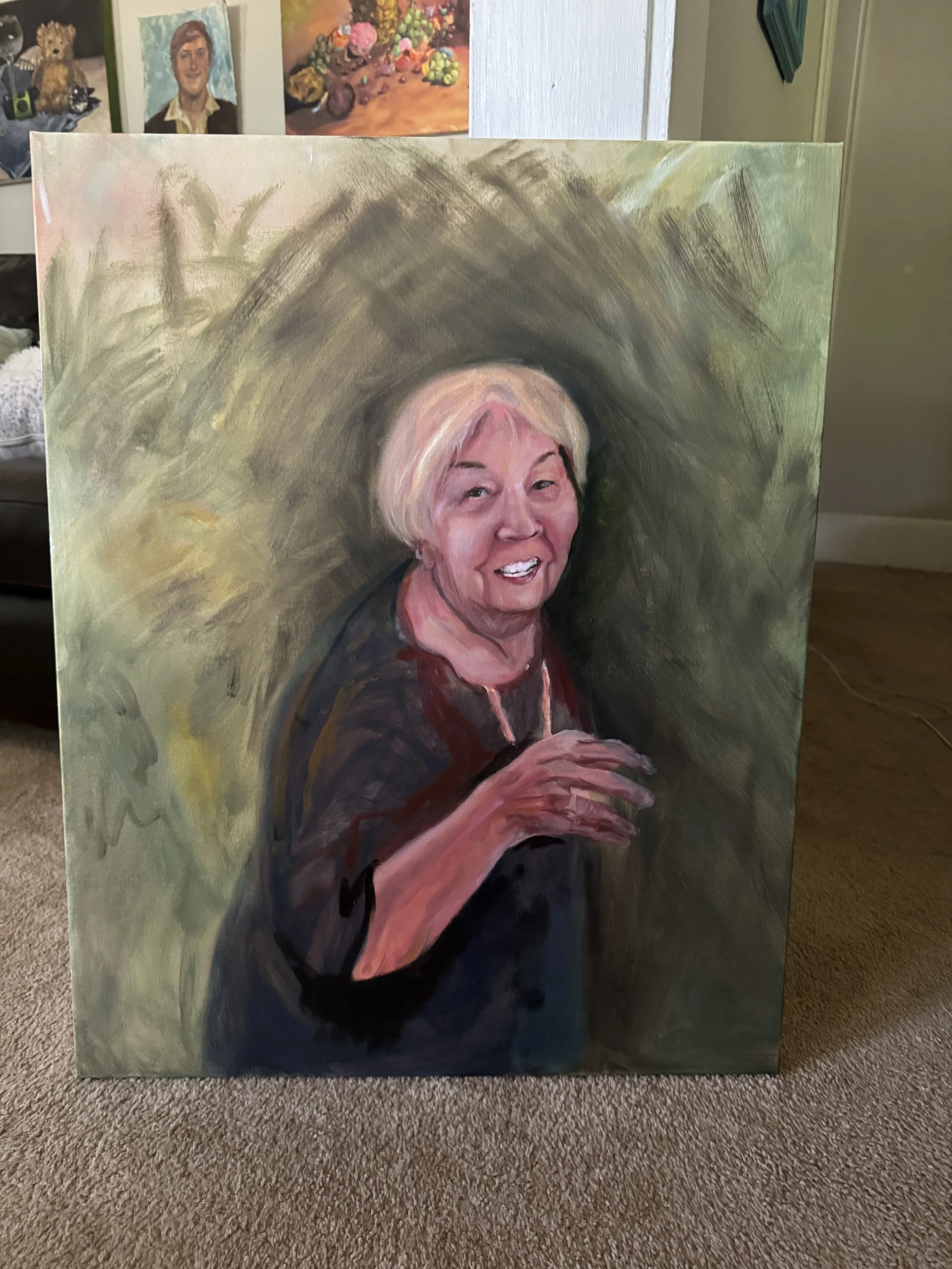
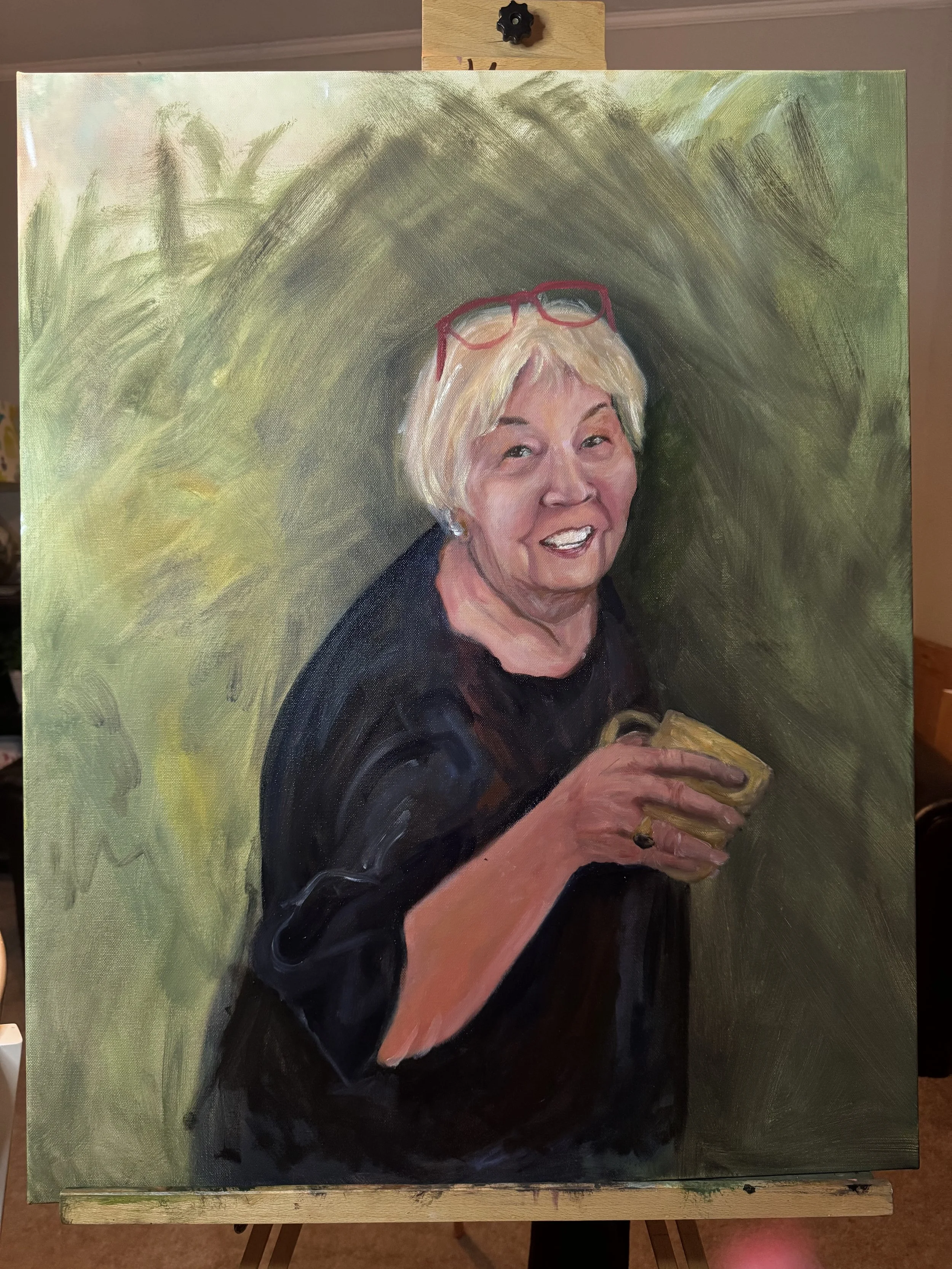
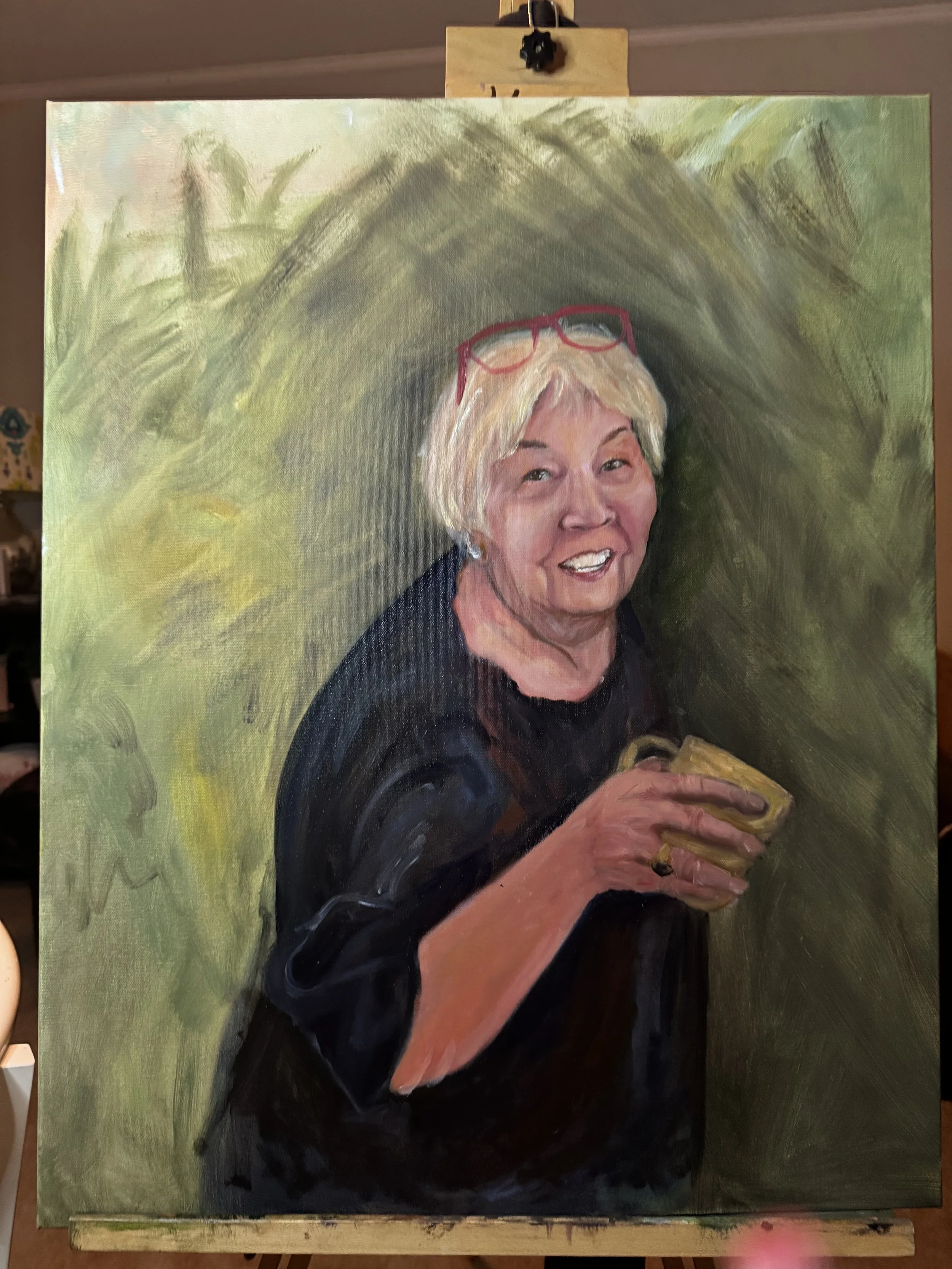
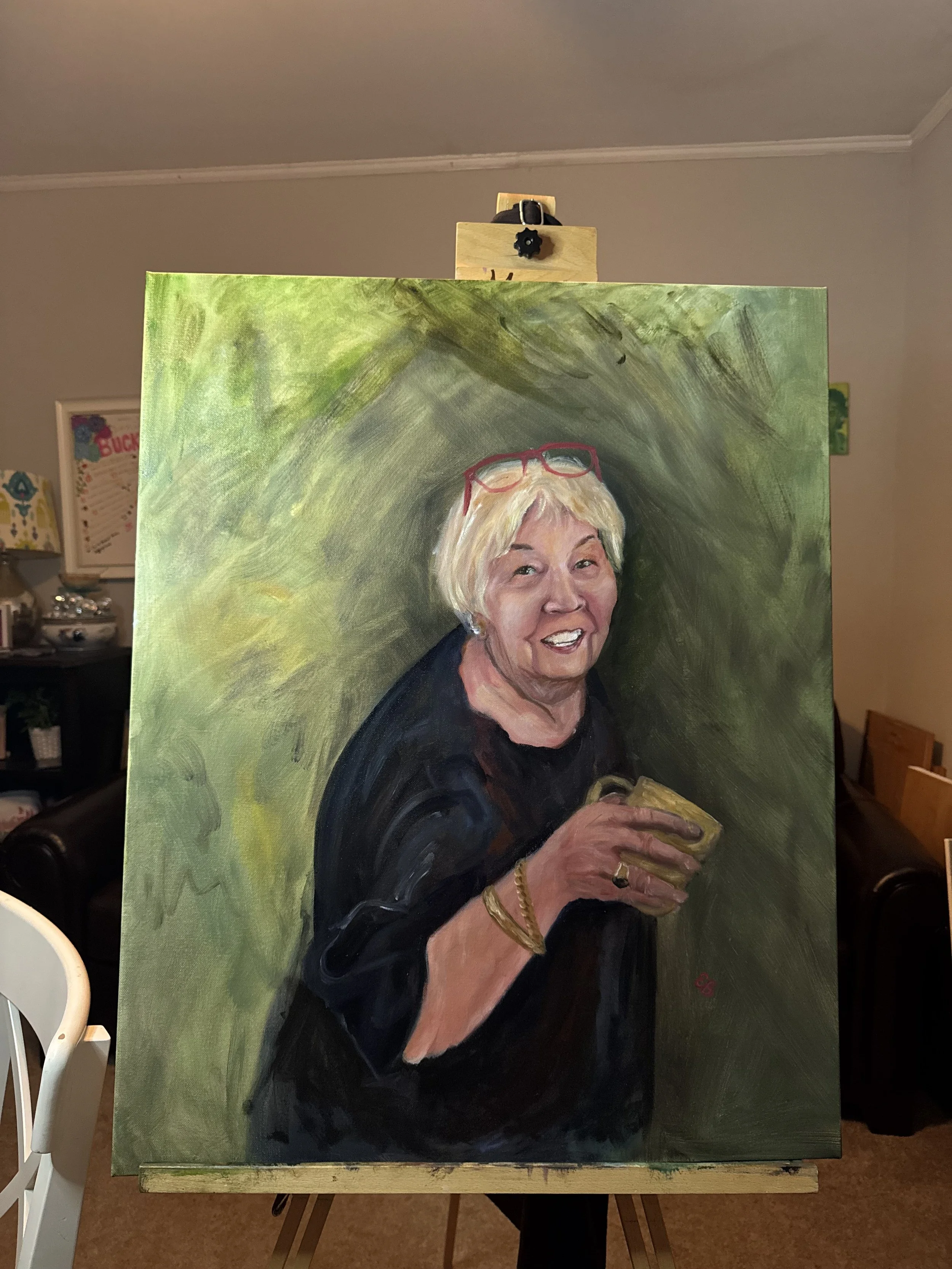
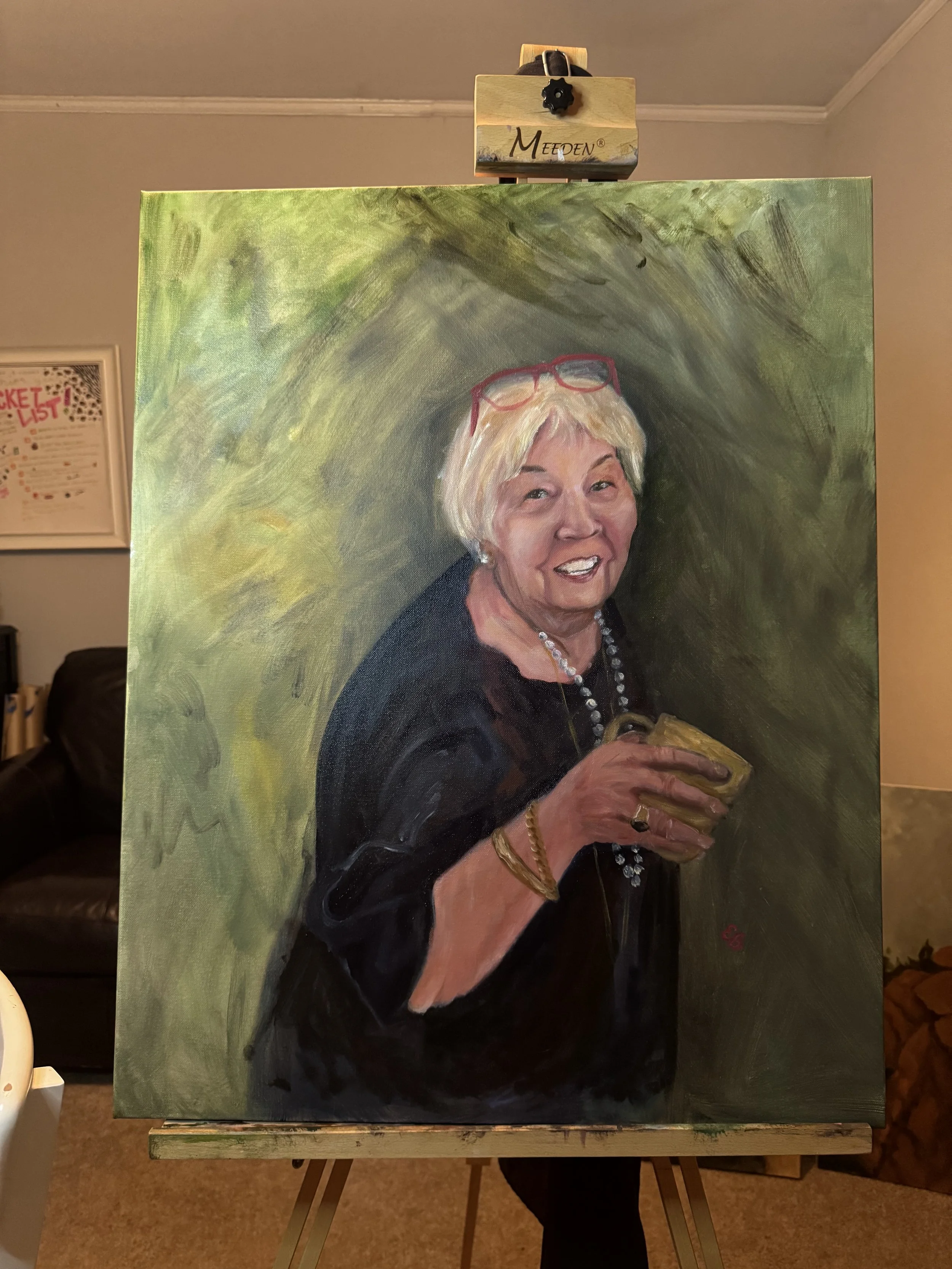
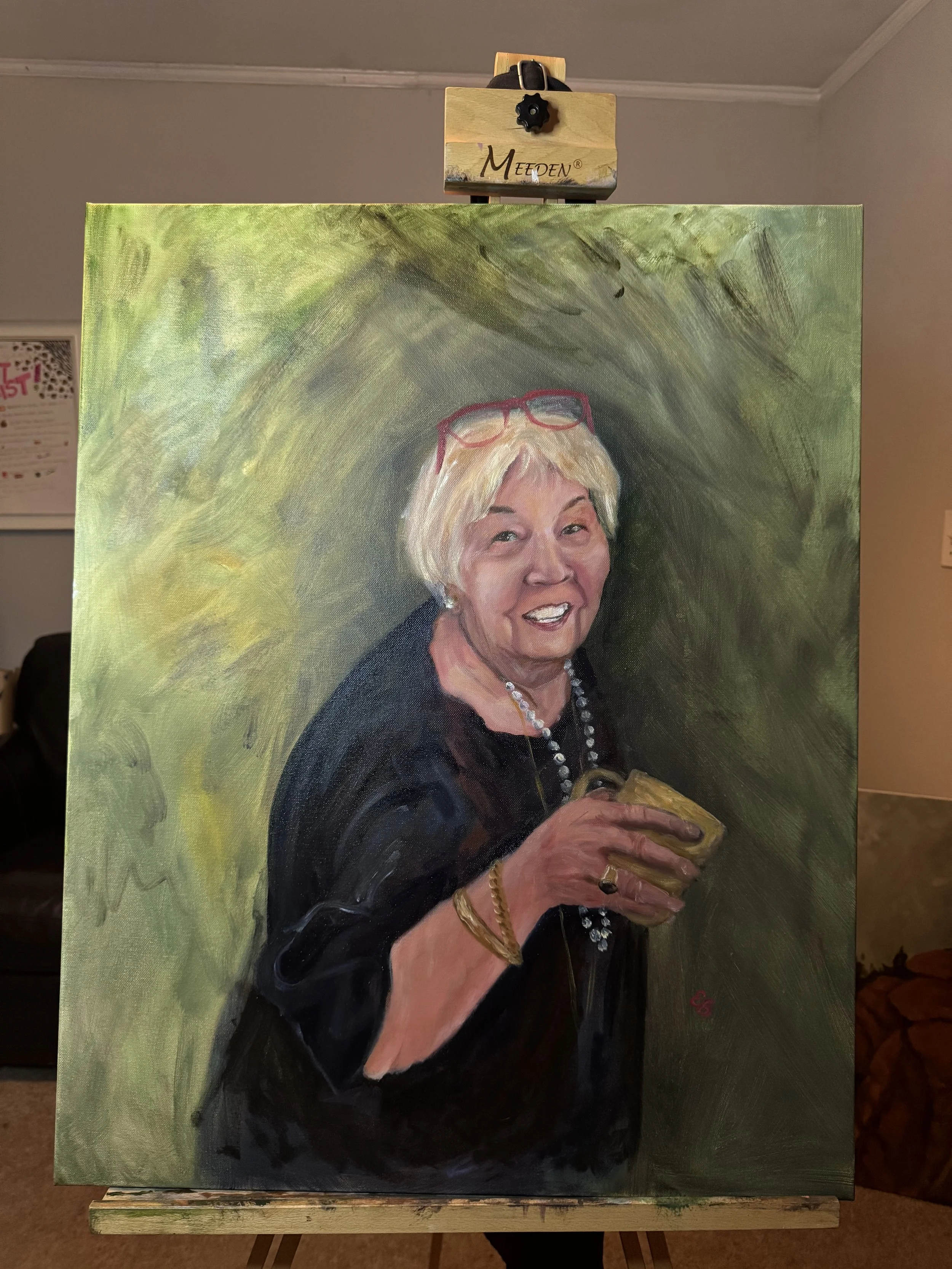
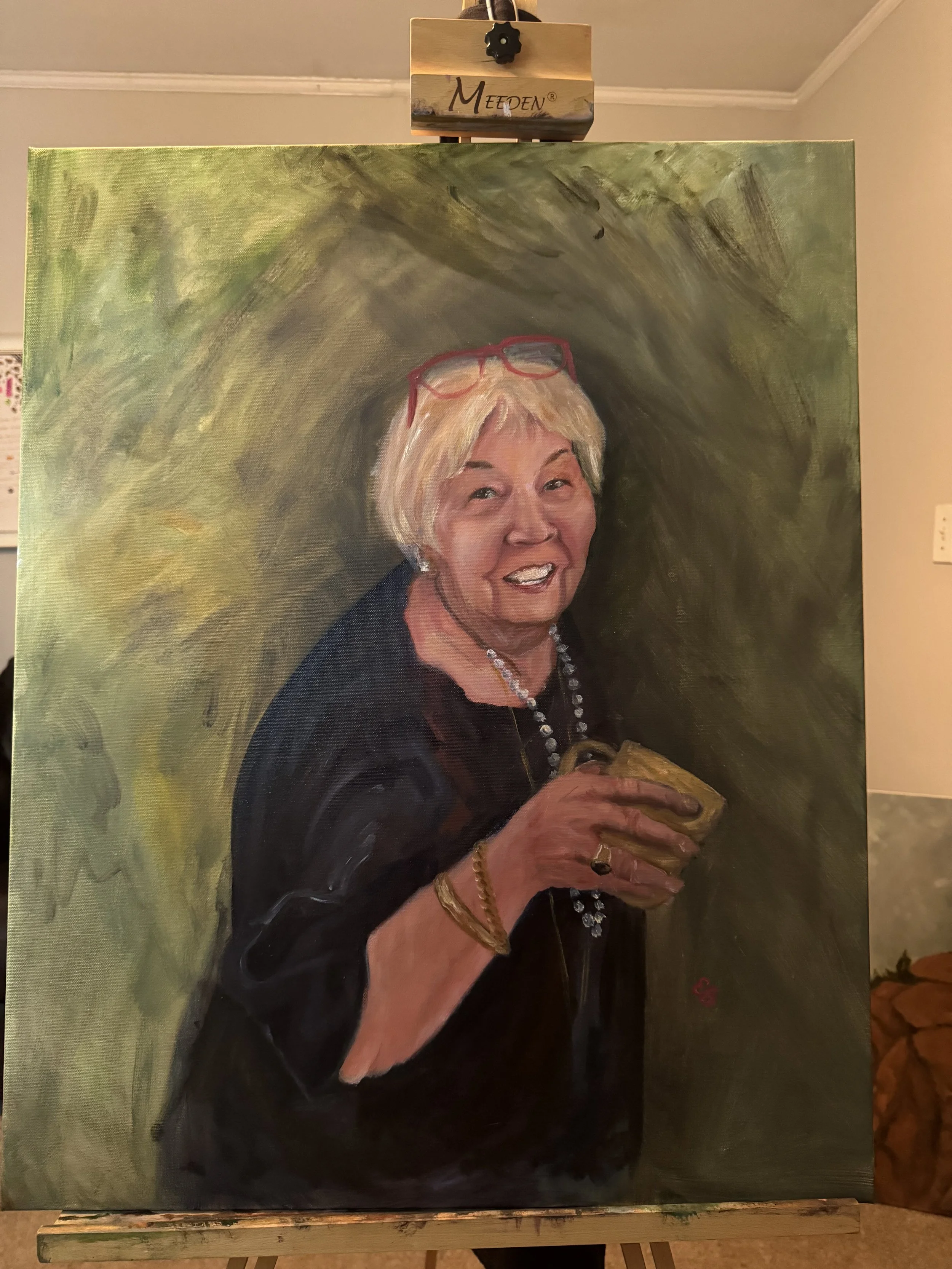
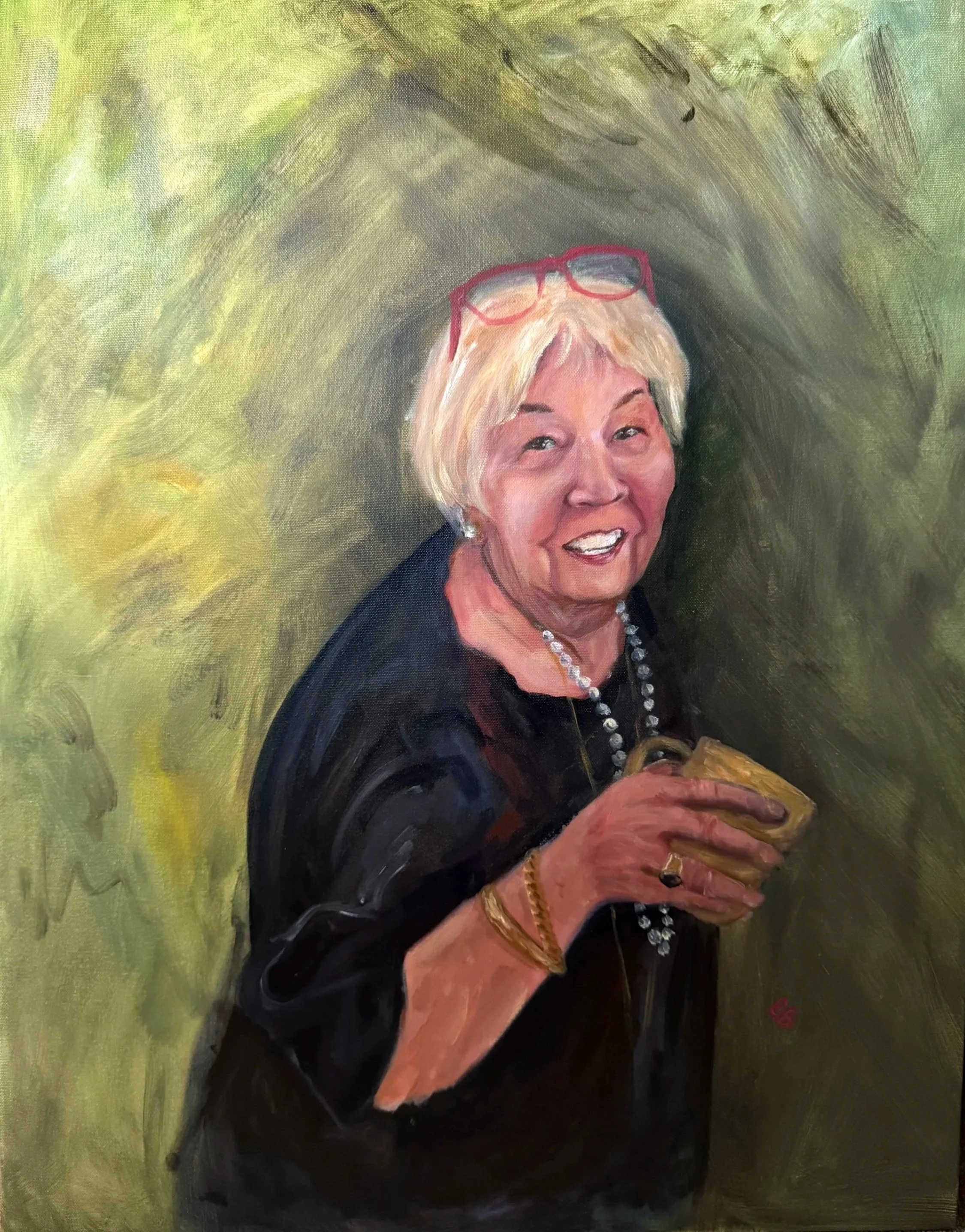
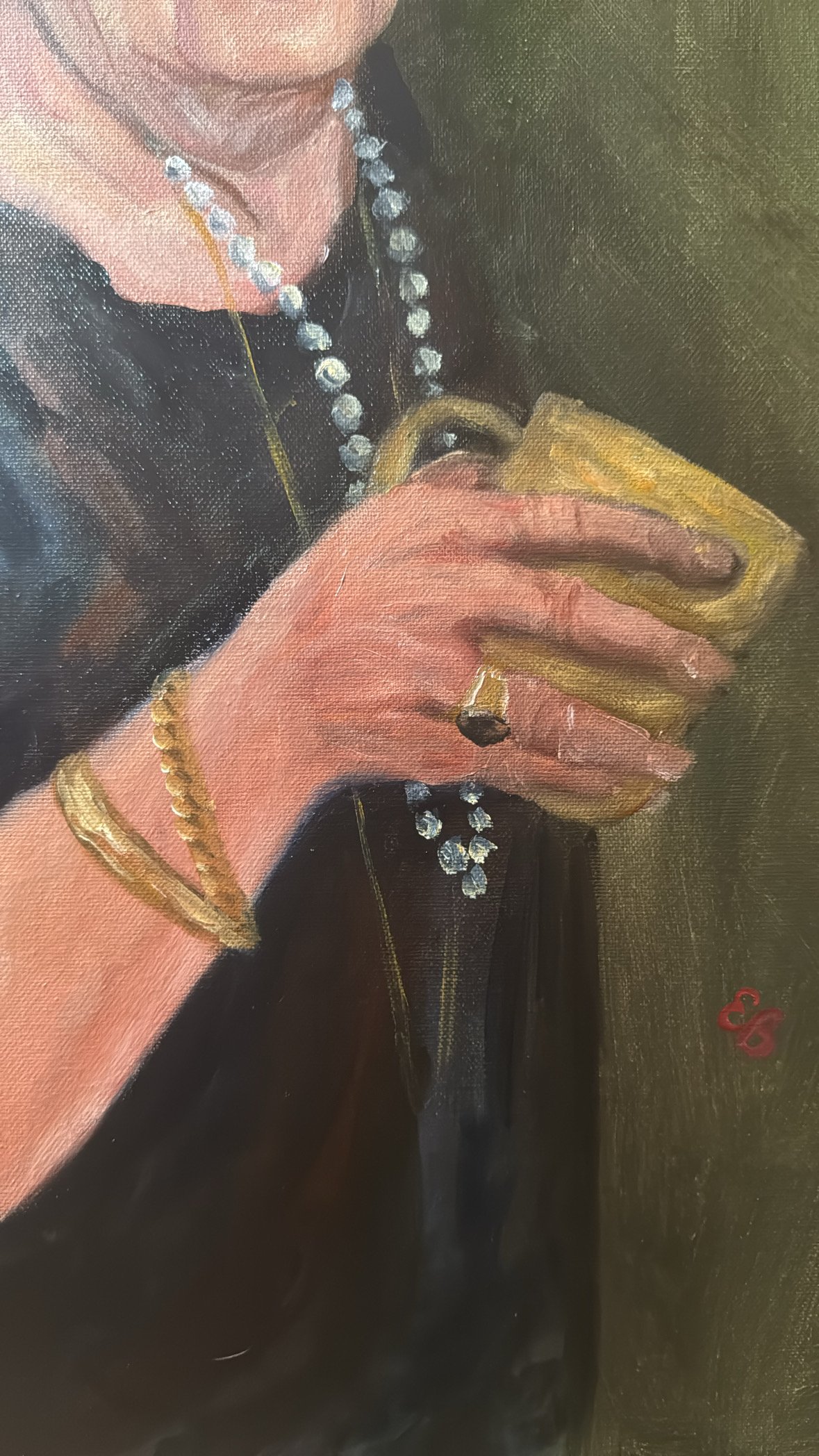
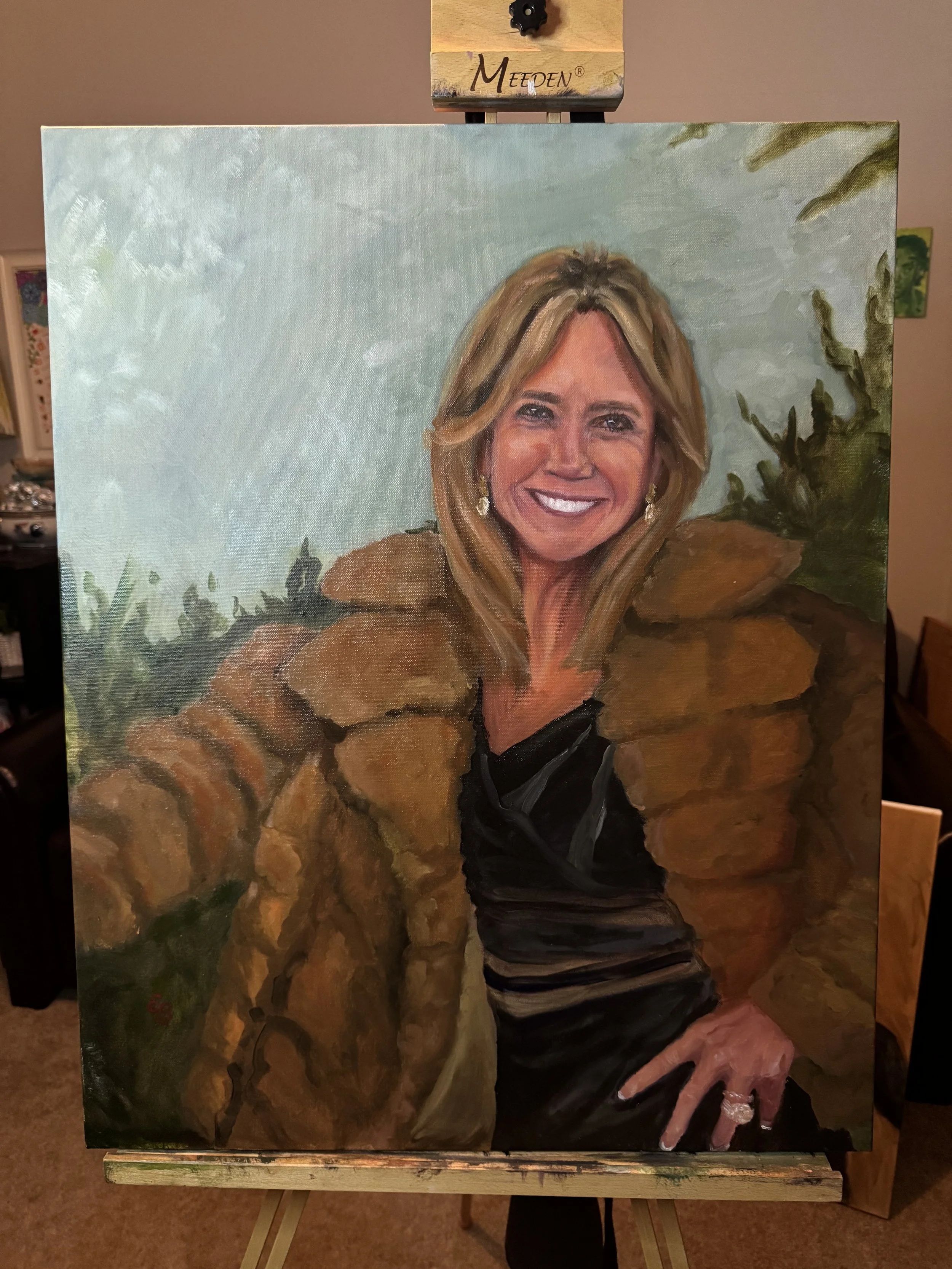
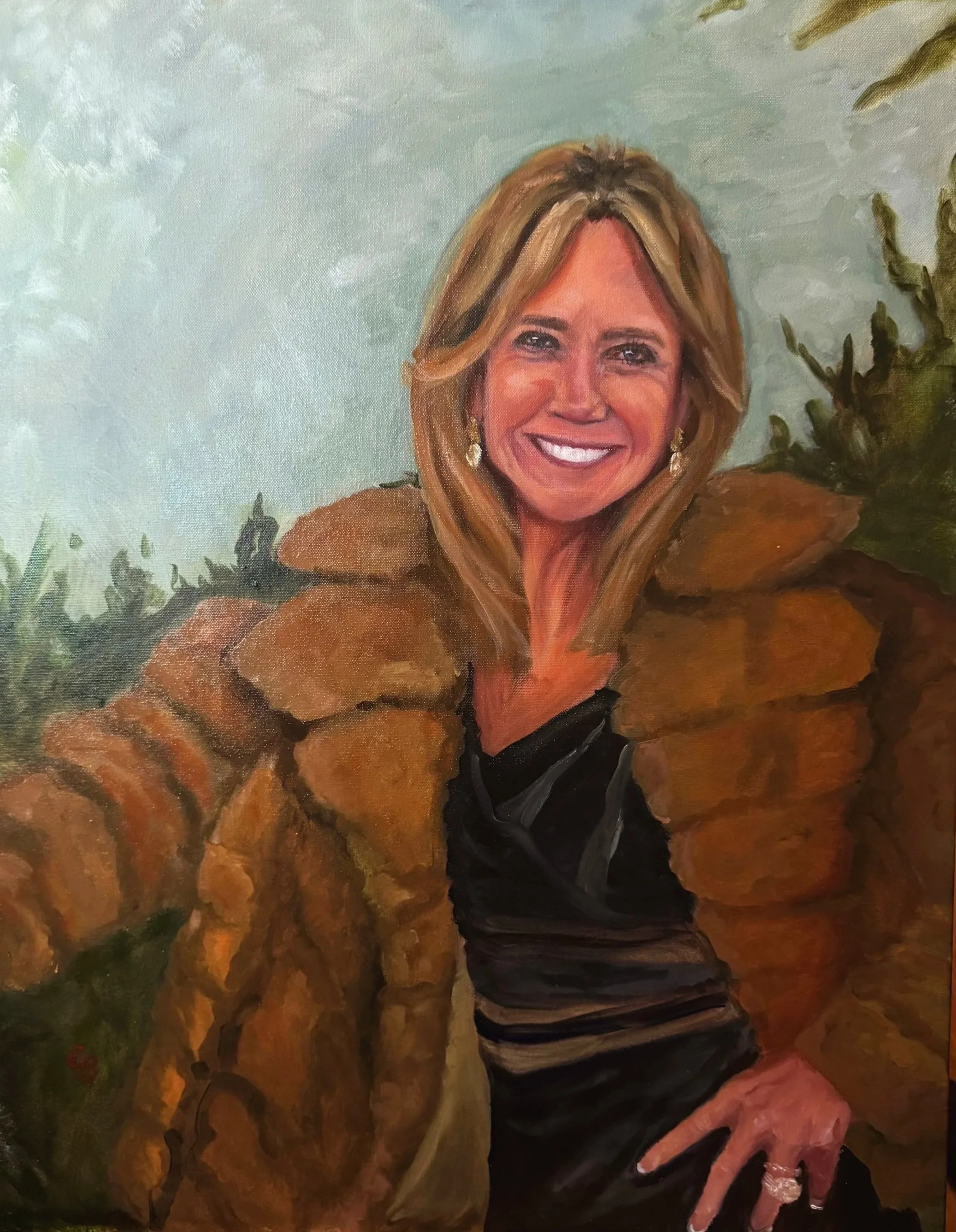
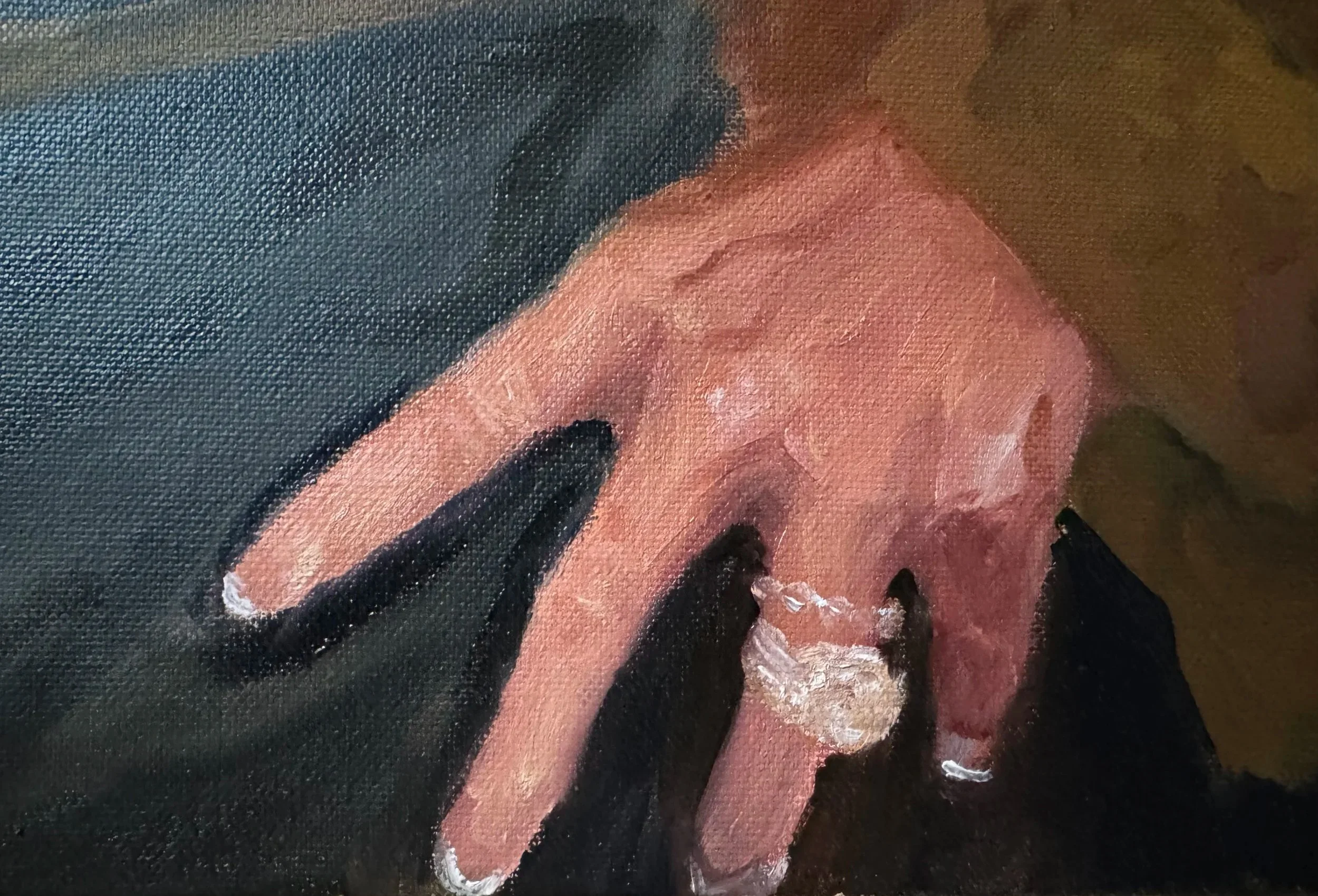
Judy Duke
“
Because I am a music dancer, music usually tells me what I can or cannot do. I don’t dance competitively, so I don’t have to do routines — I can do what I call these “lead-follow” steps. More experienced dancers can get to the place where they kind of play off of another person, like improvisational theater, I guess. Meaning that, if my male partner lifts his arm and goes under it a certain way, I can anticipate… or really it's not anticipate…I feel that he's passing under my arm. And I can follow him by dancing around maybe behind his back and coming over with a little answer.
I guess it's sort of like… I know when a man takes my hand and pulls on me that he wants me to come toward him. That’s lead and follow. He’s telling me, “come here”. I do know that if a man has my hand up in the air, he's making room for me to turn and pass under that bridge he built. So lead-follow is for me to answer whatever lead he has given me. If men want me to pass them and go behind them in a trail dance position, I just know that that lead is saying “come here, okay, pass under my arm” and then it's his lead telling me “go behind me,” and he'll reach back for me.
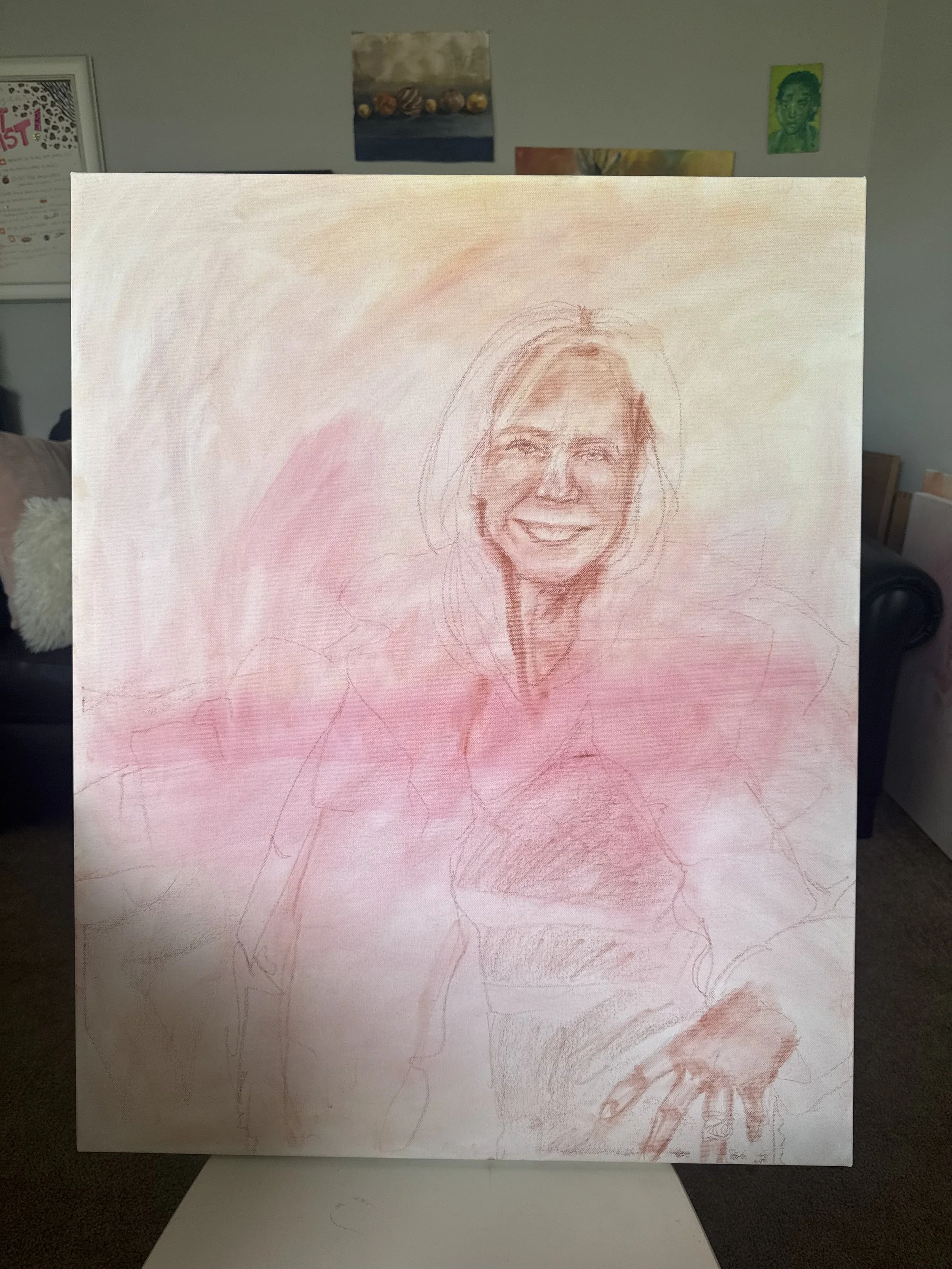
Jackie McGee
“
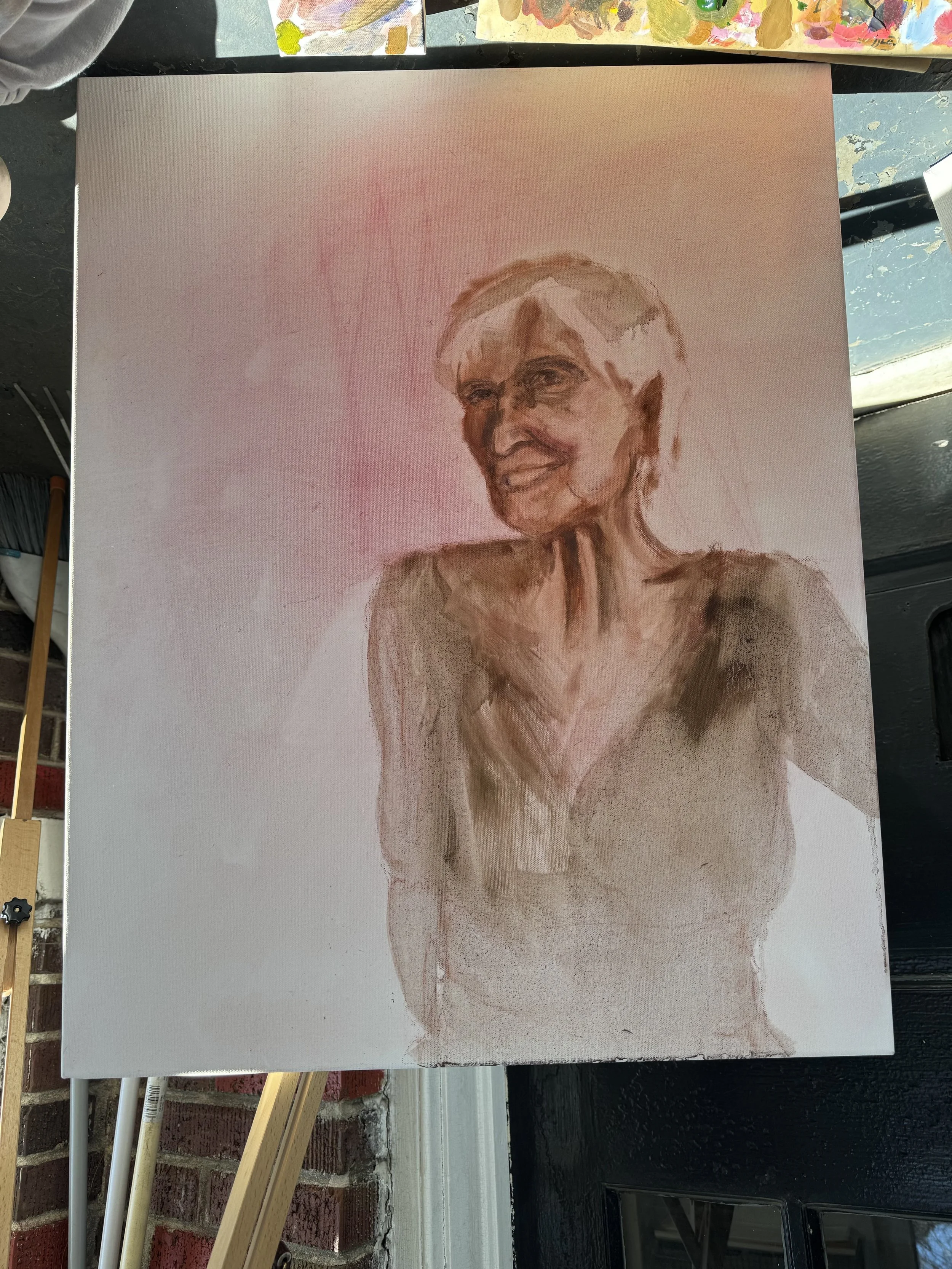
What changed my life — and this is the truth — was the night of Babs McIntosh’s induction into the Hall of Fame. Charlie and I had been winning at this point, National Champions, when Harry driver came by and said I want y’all to come to the Hall of Fame. And this was in the middle of the 80s, right when it started. And at that time, there was just a small little group of older people that really were a staple of the community.
As I was watching these couples on the edge of the floor, I realized two things. They didn't do any together steps when they were dancing, and the women didn't do a lot - though at that time, hardly any women did. Living in Atlanta, I had felt I wasn't part of that group, but sitting at the edge of that floor I could feel the connection between all of them.
I sat there and I watched the women, and despite the fact that Charlie and I hadn’t lost a contest in 13 years, I watched those women and realized for the first time, “I can't dance.” I knew a lot of steps, but as I sat there watching, I was in awe. I couldn’t do what they were doing. Babs was being inducted that night, and when she asked Charlie to dance with her? It was independence.
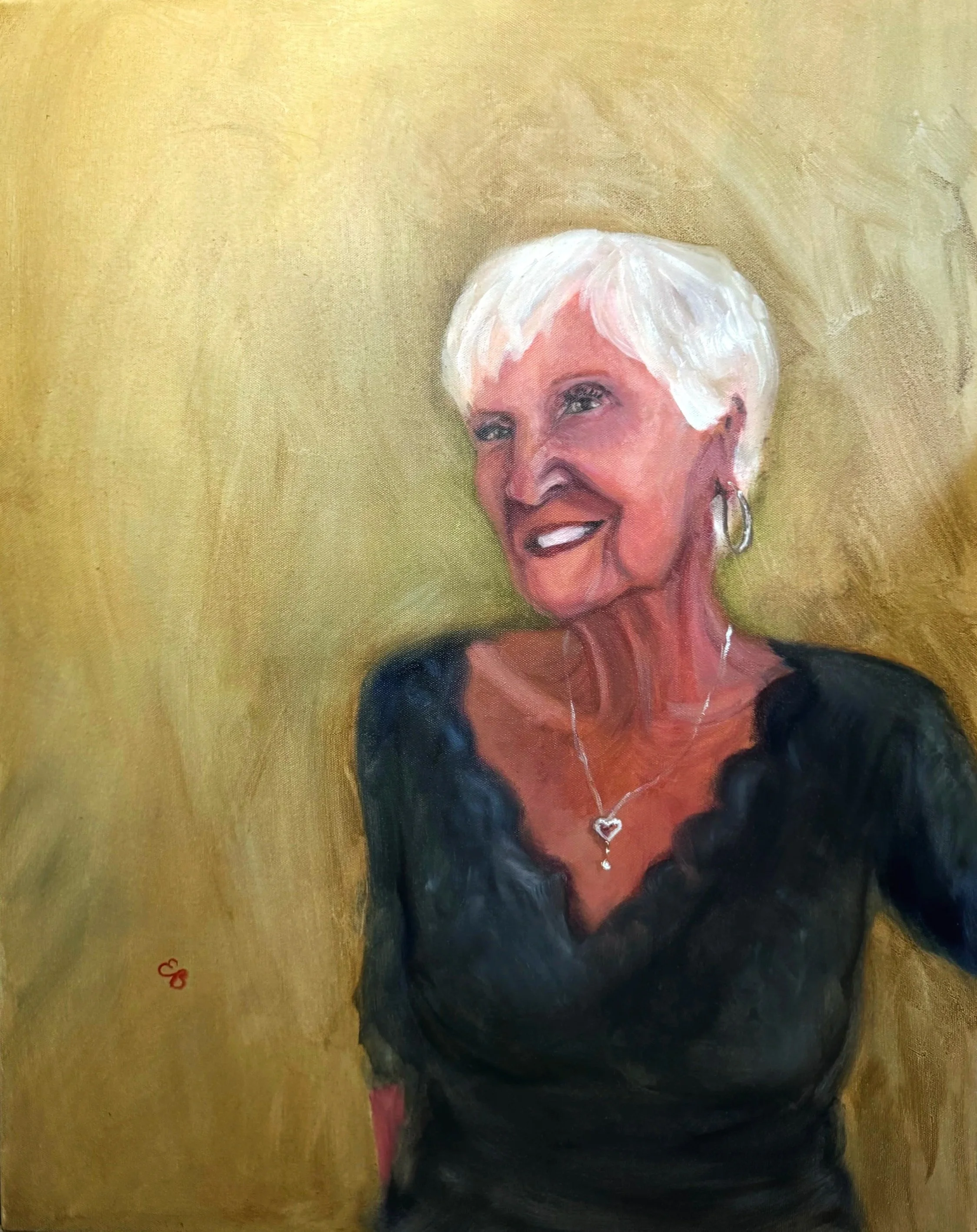
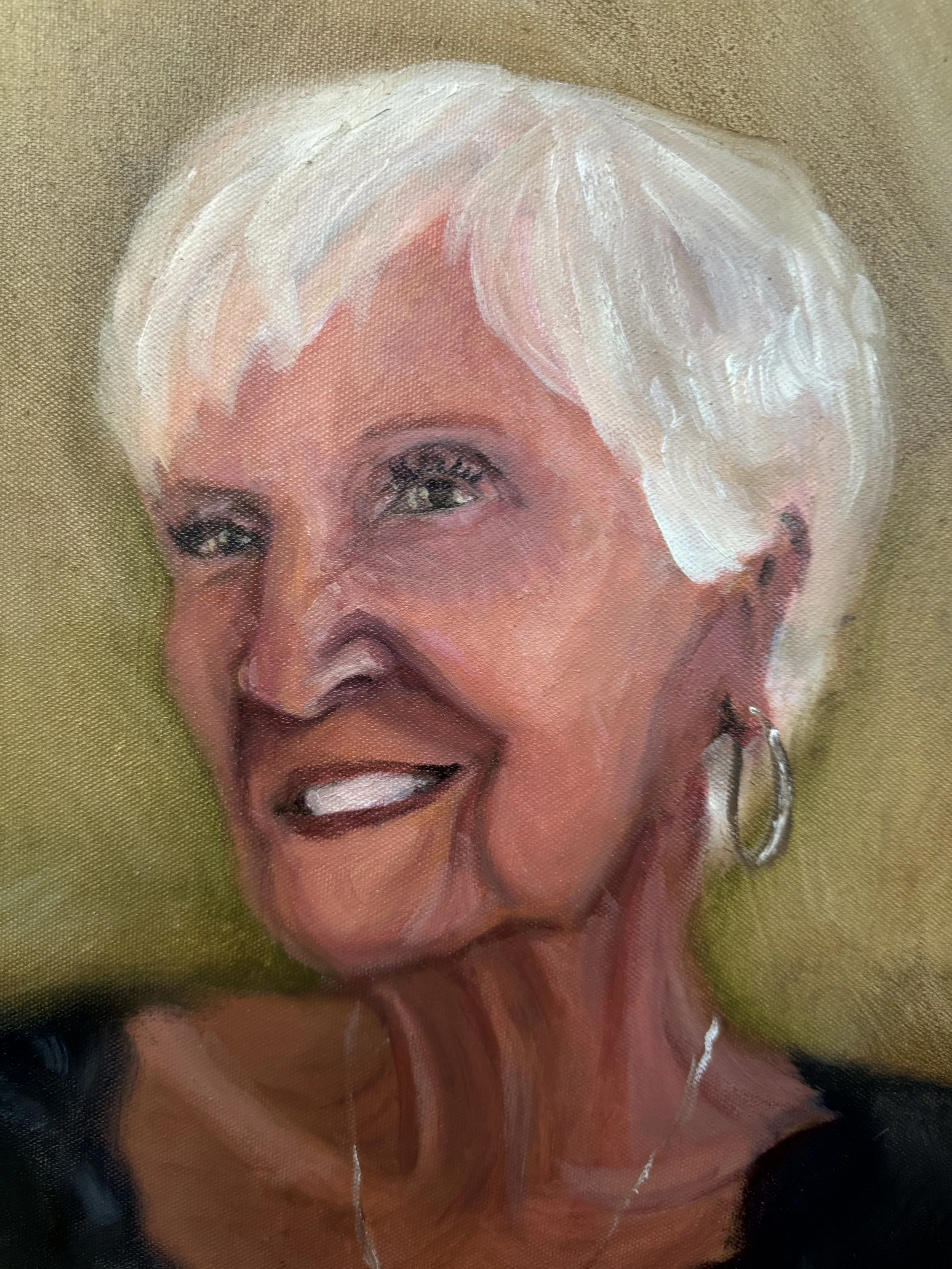
Ellen Taylor
“
You know, for me, I think dance for me as far as the female is concerned, it was always a release. It was a time in my life when I didn't have to think about what was going on around me. I didn't want to think about anything that was going on, I just kind of focused on the music and what the music said to me, and I still dance like that. I don't — except in competition, when you’ve got to do whatever choreography you've made up. But for me it, I mean, and I think your [grand]mother would agree. I think females should have the opportunity to express themselves to the music just like guys do, and I always felt that way. So, I mean, I wasn't a leader in the dance, I would say, but I was always one that expressed myself when I was on the dance floor when I got a little older. Like I said, to begin with, I didn't know enough about it, but yeah — when I got up in my teen years and was dancing with the high school boys, I just…I did my own thing. And if they didn't like it? They didn't have to dance with me!